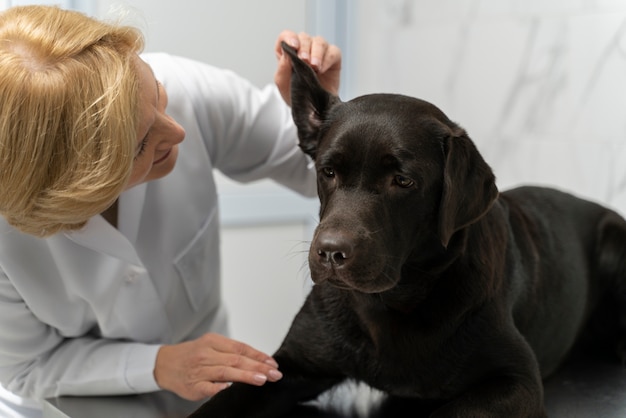
Is It Allergies or Something Else? Identifying Itchy Skin in Pets

Is It Allergies or Something Else? Identifying Itchy Skin in Pets
When your dog or cat just cannot stop scratching, biting, or licking, it is natural to worry. Is it simply an allergy, or could something more serious be causing your pet’s discomfort? At Golden Heart Veterinary Care, located at 13205 Reams Rd, Suite 172, Windermere, FL 34786, our veterinary professionals understand how distressing it can be to see your beloved companion struggling with itchy skin. Pet allergy symptoms are a common reason for veterinary visits in Windermere and surrounding communities, but itchy skin in dogs and cats can stem from a variety of causes.
In this guide, we will help you recognize the key signs of allergies versus other skin problems, explain why these issues develop, discuss advanced diagnostic and treatment options available at our hospital, and share practical tips for prevention and home care. If you have been searching for a “vet near me” who can provide comprehensive pet diagnostics in Windermere, you are in the right place. Our team is here to help your pet find relief and restore their quality of life, whether through routine care or specialized allergy testing. For pet owners who want to learn more about our diagnostic approach, our allergy testing services for pets offer a closer look at how we get to the root of itchy skin problems.
Recognizing the Signs: When to Suspect Allergies or Another Cause
Pet owners often notice their dog or cat scratching more than usual, but it is not always easy to determine what is normal and what signals a problem. Key symptoms of pet allergy symptoms include frequent or intense scratching, licking or chewing at the paws, face, or body, redness or inflammation of the skin, and recurring ear infections. You may also see hair loss in patches, especially around the ears, belly, or legs. For many pets in Windermere and surrounding communities, seasonal flare-ups can coincide with increased pollen or humidity, making these symptoms especially noticeable in spring and summer.
However, other conditions can mimic allergies. Warning signs that suggest a different underlying issue include persistent skin lesions or sores that do not heal, foul-smelling skin or discharge, sudden changes in behavior such as restlessness or lethargy, or the appearance of lumps or bumps beneath the skin. Some pets may develop digestive issues like vomiting or diarrhea, which can sometimes be linked to food allergies but may also indicate a more systemic problem.
It is important to remember that while occasional scratching is normal, any persistent or severe discomfort warrants attention. If your pet’s symptoms are severe, rapidly worsening, or accompanied by other concerning signs, schedule an appointment with our veterinarians promptly to ensure a timely diagnosis and relief for your companion.
Understanding Why Pets Get Itchy: Causes of Pet Allergy Symptoms and Skin Problems
Itchy skin in dogs and cats can develop for many reasons, with allergies among the most common culprits. In the Windermere area, environmental allergens such as pollen, grass, mold spores, and dust mites are often at the root of seasonal itchiness. Additionally, pets can develop allergies to certain foods, including common proteins or grains found in commercial diets. Flea allergy dermatitis, which results from an allergic reaction to flea saliva, can cause intense itching even with minimal flea exposure.
Beyond allergies, other causes of itchy skin in dogs and cats include parasitic infestations like mites or lice, bacterial or fungal infections, and even underlying hormonal imbalances such as hypothyroidism or Cushing’s disease. Sometimes, skin tumors or autoimmune conditions can also present with similar signs. In our local climate, high humidity can predispose pets to secondary skin infections, further complicating the diagnostic process.
Because so many conditions can produce similar symptoms, advanced pet diagnostic laboratory services in Windermere are essential to pinpoint the exact cause. Our veterinarians utilize a combination of thorough physical examinations, skin scrapings, cytology, and state-of-the-art testing such as digital radiology for pets and allergy panels to provide accurate answers for your pet’s skin issues.
How Our Veterinary Team Approaches Itchy Skin Cases
When a pet arrives at Golden Heart Veterinary Care with signs of itching or skin irritation, our approach begins with a detailed history and physical exam. We might ask about recent changes in your pet’s environment, diet, or routine, as well as any previous episodes of skin problems. Our veterinarians will carefully inspect your pet’s skin and coat, looking for clues like flea dirt, lesions, or areas of hair loss.
If allergies are suspected, our team may recommend advanced allergy testing for pets in Windermere to identify specific triggers. In cases where infection or other underlying conditions are possible, further diagnostics such as skin cytology, cultures, or pet diagnostic lab services may be necessary. This comprehensive approach helps ensure that your pet receives the most targeted and effective treatment plan.
Treatment and Management: How Golden Heart Veterinary Care Can Help
Once our veterinarians have identified the cause of your pet’s itchy skin, treatment options will depend on the underlying diagnosis. For pets with environmental allergies, management strategies often involve regular bathing with hypoallergenic shampoos, medications to control itch and inflammation, and, when appropriate, immunotherapy to desensitize your pet to specific allergens. Our specialized pet allergy treatment in Windermere is tailored to each pet’s needs, and our goal is to provide long-lasting relief rather than just masking symptoms.
For food allergies, our veterinary professionals may recommend a prescription elimination diet to help isolate and remove offending ingredients. It can take several weeks of strict dietary management to see improvement, so patience and consistency are key. If parasites or infections are identified, appropriate antiparasitic medications or antibiotics will be prescribed based on lab results.
In cases where advanced imaging is needed to rule out deeper issues, our digital radiology for dogs and cats in Windermere can reveal changes beneath the skin that are not visible through physical examination alone. Our veterinarians also offer follow-up monitoring and support to ensure that your pet’s response to therapy is closely tracked and adjustments are made as needed.
What to Expect During Treatment
Treatment approaches for itchy skin in dogs and cats generally involve a combination of topical therapies, oral or injectable medications to reduce itch, and ongoing management of underlying triggers. Our veterinary team will provide clear instructions and guidance every step of the way, so you feel confident caring for your pet at home. We encourage regular rechecks to monitor progress and address any new concerns promptly.
Prevention and Home Care: Keeping Itchy Skin at Bay
Preventing itchy skin in pets involves a proactive approach, especially for those with known sensitivities. Steps include maintaining a clean, allergen-reduced environment in your home, which can help minimize exposure to dust and pollen. Regular flea prevention is critical, as even indoor pets can develop flea allergies. Bathing your pet with gentle, veterinarian-recommended shampoos can help soothe inflamed skin and wash away potential irritants.
For pets with food allergies, carefully monitoring treats and table scraps is important, as accidental exposure to allergens can trigger flare-ups. Providing a balanced, veterinarian-approved diet supports overall skin health and immune function. Additionally, staying on top of routine wellness checks ensures that any emerging issues are caught early, before they become more serious.
Our veterinarians are always available to provide guidance on the best products and routines for your individual pet. If you have questions about making your home more allergy-friendly or need help selecting a diet for a sensitive pet, schedule an appointment with our comprehensive pet examination team for personalized advice.
When to Seek Veterinary Care: Recognizing the Need for Professional Help
While some mild itching can be managed at home, there are clear situations where professional veterinary care is essential. You should schedule an appointment with Golden Heart Veterinary Care if your pet experiences persistent scratching, licking, or biting that lasts more than a few days, develops open sores or areas of hair loss, or shows signs of skin infection such as redness, swelling, or foul odor. Additional warning signs include repeated ear infections, sudden changes in appetite or energy, or any new lumps or bumps beneath the skin.
If your pet is in visible distress, becomes lethargic, or stops eating and drinking, prompt evaluation is crucial. Our veterinary professionals are trained to differentiate between allergy symptoms and more serious medical conditions, ensuring that your pet receives the right care at the right time. Remember, early intervention can prevent complications and help your pet recover more quickly.
If you are searching for quality pet diagnostics near me or looking for a trusted veterinarian near me who can provide specialized care for itchy skin in dogs and cats, our team is ready to help. Reach out to our Windermere clinic for expert guidance and compassionate support.
Compassionate Support and Advanced Pet Allergy Care in Windermere
Itchy skin in dogs and cats is never just a minor nuisance; it is a signal that something is not right, and your pet deserves relief. At Golden Heart Veterinary Care, we are committed to offering advanced pet allergy treatment in Windermere and surrounding communities, using cutting-edge diagnostics and a personalized approach to care. Our veterinary professionals are always here to answer your questions and provide the support you need, from initial diagnosis to ongoing management.
If your pet is showing signs of allergy symptoms or you are concerned about persistent skin issues, do not wait for the problem to worsen. Schedule an appointment with our team by calling (407) 392-1888, or visit our clinic at 13205 Reams Rd, Suite 172, Windermere, FL 34786 for compassionate and thorough veterinary care. If you are searching for the best veterinarian near me for pet allergy symptoms, our team is here to provide high-quality, local support. Learn more about our pet allergy testing and diagnostic services to discover how we can help your pet find comfort and health once again.
This blog is intended for informational purposes only and should not replace professional veterinary advice. Please consult our veterinarians for a proper diagnosis and treatment plan tailored to your pet's specific needs.